
Am I pregnant?
Answer these questions to help determine whether you may be pregnant
Have you been experiencing bodily changes? Do you think you may be pregnant? This can be an exciting time but also a puzzling time. To add to the confusion, many pregnancy signs and symptoms can have causes unlinked to pregnancy
At Choice Care we have compiled this list of questions to determine whether you may be pregnant. Please contact Choice Care if you have any other questions or would like to make an appointment for a free and confidential consultation.

Early signs of pregnancy tend to differ from one woman to the next. To understand if you may be pregnant, take a pregnancy test as soon as possible. Paying attention to early symptoms of pregnancy is important because these symptoms can start as early as your first month of pregnancy. With that in mind, consider these 10 questions about the early signs of pregnancy:


Have you missed a period?
A missed period is a common early sign of pregnancy. Many pregnant women begin seeking answers because they know they’re late for their next period. If your period is over a week late, you may consider this a possible indicator of pregnancy, and as other pregnancy symptoms start to appear, you may find that this symptom was the first you experienced. However, a late period may not be an accurate sign if you typically have irregular menstrual cycles, as you could simply have a late period that month.
If you are currently having your period, then it is most likely that you are not pregnant, as the lining of your uterus is shedding through blood it had stored up before ovulation. If it’s been more than a month since your last menstrual period, then you might be pregnant, as your endometrial lining could have, at that point, received a fertilized egg and is now working to support it. Tracking your period is not the only way to determine whether or not you’re pregnant, but this, along with a few other symptoms, tends to be a good indicator.
One good method to track your period is to mark the calendar on the first day of your menstrual cycle. According to Women’s Health, a typical menstrual cycle lasts between 24 and 38 days (1). If you count 24 days after the first day of your last period, you will be able to estimate when your next period will begin. According to the Mayo Clinic, you’ll also experience an increase in basal body temperature when you are ovulating. If you track your temperature throughout your cycle, you should be able to track your period, which will appear 12-16 days after ovulation (2). There are also many apps available to help you with this, like Flo Period and Ovulation Tracker.

Have you been feeling frequently nauseous?
Nausea is another of the common early pregnancy symptoms in the first trimester and may or may not be accompanied by vomiting. Nausea and vomiting of pregnancy is a common condition. It can occur any time during the day, even though it’s often called “morning sickness.” Nausea and vomiting of pregnancy usually doesn’t harm the fetus, but it can affect your life, including your ability to work or go about your normal everyday activities. There are safe treatment options that can make you feel better and keep your symptoms from getting worse. Nausea and vomiting of pregnancy usually starts before 9 weeks of pregnancy. For most women, it goes away by 14 weeks of pregnancy. For some women, it lasts for several weeks or months. For a few women, it lasts throughout the pregnancy. Some women feel nauseated for a short time each day and might vomit once or twice. In more severe cases, nausea lasts several hours each day and vomiting occurs more frequently. (3). The severity can differ from person to person. It isn’t totally clear what the cause is of morning sickness, but it may be due to hormonal changes.
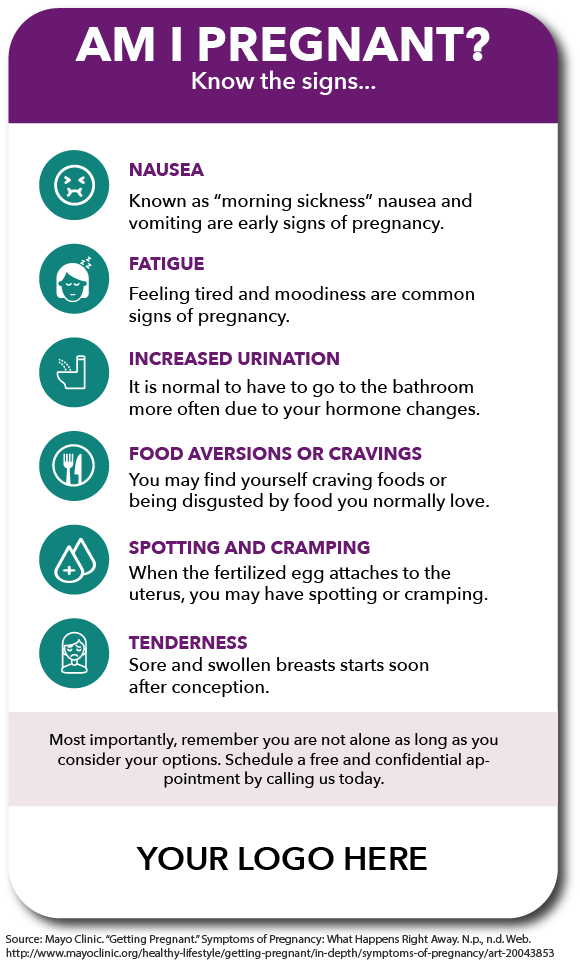
Morning sickness is a pregnancy symptom that can occur throughout your pregnancy, but the nausea is not solely confined to the morning. During pregnancy, you will have hormone changes in your body. An increase in the hormone HCG, or human chorionic gonadotropin, is thought to be a factor in causing morning sickness, which typically is a mild form of nausea. If, however, the nausea is intense and causes extreme, frequent vomiting, you may have hyperemesis gravidarum, which can lead to dehydration and rapid weight loss. According to Medline Plus, you should contact your doctor if frequent, intense vomiting continues, as this is one of the medical conditions that could require treatment and hospitalization (4).

Do you have swollen, tender breasts or nipples?
The American Pregnancy Association (APA) reports that this is one of the most common symptoms of pregnancy. “Changes to the breasts can start as early as 1 to 2 weeks after conception” (5). The APA also stated that about 17% of pregnant women surveyed reported breast changes as the first sign of pregnancy. This typically occurs in the early weeks of pregnancy but could occur up to four to six weeks in. Because of the increase in the amount of blood flow throughout this area, you may experience tingling, aching, and swelling/enlargement of the breast tissue, often leading to sore breasts. You may also notice the darkening of the areas surrounding the nipples. Once your body adjusts to your new hormonal changes, breast tenderness should subside.
According to Parents.com, when increased amounts of the hormone progesterone, along with estrogen and prolactin, are produced, milk glands inside your breasts begin to grow. This can become uncomfortable as these hormones expand your blood vessels to help raise the blood volume in your breasts. To help with the discomfort, wear a more supportive bra and looser clothing. Take warm showers, apply warm and cool compresses, and, if nothing else is helping, talk to your doctor about taking Tylenol (6).

Do you have swollen, tender breasts or nipples?
When the fertilized egg attaches to the lining of the uterus, this may cause light spotting and even mild cramping. WebMD calls this “implantation bleeding,” and it typically resembles a light period. This “occurs anywhere from 6 to 12 days after the egg is fertilized. The cramps resemble menstrual cramps, so some women mistake them and the bleeding for the start of their period.” However, there are some distinct differences. Some of the key differences include a smaller amount, shorter time, lighter color, and absence of clotting. The cramps pregnant women experience may seem similar to those during PMS. But implantation cramps are different—these cramps would be present even after you’ve missed your period. Other common early signs of pregnancy include leg cramping and back pain, typically in the lower back (7).
Light vaginal bleeding and cramping due to implantation bleeding typically only occur within the first trimester. According to Healthline, spotting can occur any time throughout your pregnancy, but for different reasons. Light bleeding in the first trimester is typical because of implantation and can occur all the way to the end of the first trimester. Throughout the second trimester, bleeding or vaginal discharge may occur if there is a problem with the cervix or placenta. If bleeding happens frequently, contact your healthcare provider. Spotting may also take place after having sex while pregnant. If bleeding happens in the third trimester of pregnancy and is accompanied by mucous, it may be a sign that labor is beginning (8).


Do you have headaches more frequently?
Headaches are so common that this alone is not necessarily considered one of the first signs of pregnancy. In this case, you may also be experiencing lightheadedness or dizziness due to hormonal changes in your body. You should consider them in conjunction with other pregnancy symptoms you’re experiencing.
The Mayo Clinic states that acetaminophen (Tylenol) is generally considered safe for a pregnant woman, though you should talk to your doctor before taking any medication. Other, non-medicinal methods to ease headache pain include managing your stress, including exercise in your daily routine, eating regularly, and following a consistent sleep schedule (9).

Are you experiencing strange food cravings and an increased appetite?
If you are pregnant, you may start to experience cravings for certain foods. Often, the foods you normally desire will not sound good to you. These food aversions and cravings may also be due to hormonal changes, along with changes in your senses. Your body is also working hard to build a new life, so of course, you’re experiencing an increased appetite! Be sure to fill up on healthy, pregnancy-approved snacks so your body will receive the energy it needs.
According to The Mother Baby Center, weight gain and increased appetite during your pregnancy are completely common and expected. Oftentimes, your cravings may be a signal that your body needs a certain type of nutrient, like iron. If you find yourself with an appetite that is out of control and cravings that are hard to handle, try eating satisfying, protein-heavy food that will keep you full longer. Be sure to drink plenty of water.

Are you going to the bathroom a lot?
With pregnancy, you may notice changes in your bladder sensitivity. This is a common pregnancy symptom and can be traced back to hormone changes, your growing uterus, and increased blood circulation to the pelvis. Because of these changes, you may find yourself making more frequent trips to the restroom.
According to What to Expect, frequent urination will likely last throughout your pregnancy. The change in frequency may or may not affect you much, depending on your personal arrangement of internal organs – it varies from woman to woman. To reduce the frequency, lower your caffeine intake and limit your fluids before bed (11).

Do you feel light-headed?
Feeling dizzy or light-headed, especially immediately after standing or changing your position quickly, can be a sign of pregnancy. Dizziness may be the result of a change in your blood volume and blood pressure, or it could be a deficiency in iron. Light-headedness can be caused by many different factors, so this symptom on its own is not considered a reliable sign of pregnancy. When paired with other symptoms, though, pregnancy could be something to consider.
Healthline refers to several different methods to help with dizziness, including limiting long periods of standing, slowly changing positions from laying down or sitting to standing, frequently snacking, drinking plenty of water, and avoiding tight clothing (12).


Are you moody recently?
Sudden mood changes and fatigue are also attributable to hormonal changes. These changes could take place as early as the first month of pregnancy. This is because your body is producing a hormone called progesterone. This hormone supports pregnancy and is responsible for milk production in the breasts as well.
The American Pregnancy Association states that most women experience their most intense mood swings within the first 6-10 weeks of pregnancy, as this is when you experience the largest influx of hormones. Hormone levels usually stabilize through the second trimester, and then, during the third trimester, pick back up as your body prepares to give birth. Give yourself grace through these times. Be sure to eat a healthy diet, exercise, and talk to your loved ones. You’ll feel like yourself again before you know it (13). Just having someone to talk to can help with your emotional well-being. At Choice Care we are here to listen! Contact us to book a consultation.

Are you feeling fatigued?
“You may feel fatigue early and late in pregnancy,” according to the March of Dimes. “Your body may be tired because it’s working hard to take care of your growing baby. Your body is making pregnancy hormones and you’re using a lot of energy, even when you sleep. You may have trouble sleeping at night because you’re uncomfortable or you need to get up to go to the bathroom. Later in pregnancy, leg cramps may wake you up at night” (14). The good news is that such high levels of fatigue are particularly strong in the early stages of pregnancy and will likely subside after the first trimester and then fluctuate through the entire pregnancy.
Eating frequent meals helps keep your energy up throughout the day, according to Healthline. Also, avoid caffeine entirely, and be sure to take plenty of naps. When convenient, take naps during the day. Your body is working incredibly hard, so be sure to take it easy during this time. You’ll likely feel like you have more energy in the second trimester of your pregnancy (15).

Are you experiencing sensitivity to smell or a metallic taste in your mouth?
Though there may be little scientific consensus on these, they are some of the earliest signs of pregnancy. This heightened sense of smell may also be one of the causes of nausea, as is the metallic taste in your mouth.
Due to a surge in estrogen, you may be experiencing a metallic taste in your mouth. To help combat this, BabyCenter recommends you eat tart, acidic foods, and gargle with saltwater or baking soda (16).

Have you been constipated or bloated?
This symptom can be very uncomfortable! If you’ve had fewer than three bowel movements in a week, you may be dealing with pregnancy constipation. Hormonal changes can be the culprit behind bloating and constipation.
According to Medical News Today, this bloating and constipation is one of the symptoms of late pregnancy and often develops in the first trimester, and gets worse in the third trimester, as the baby takes up more space in your body. To help ease the symptoms, drink plenty of water, eat tiny, frequent meals, increase your fiber intake with foods like dried fruit and whole grains, and make sure you exercise a little each day (17).
Constipation is common near the end of pregnancy. Eating more foods with fiber can help fight constipation. Fiber is found in fruits, vegetables, whole grains, beans, nuts, and seeds. You should aim for about 25 grams of fiber in your diet each day. Good sources of fiber include: apples, bananas, lentils, raspberries, split peas, and whole-wheat pasta (18).
Check the labels on packaged foods and choose higher-fiber options if possible. If you have not been getting your 25 grams a day, increase the amount of fiber you eat a little each day. Drink a lot of water as you increase your fiber intake.

Have you been experiencing increased heartburn?
This may affect more women in the later stages of pregnancy and is not really considered one of the signs of early pregnancy. However, it’s generally considered to stem from your increase in progesterone levels, so don’t rule it out, especially if it’s not something you normally experience.
Despite being called “heartburn,” it has nothing to do with your heart. The burning sensation is caused by acid reflux, which happens when stomach acid travels up from your stomach into your esophagus (19).
Cleveland Clinic recommends easing heartburn by
- Eating yogurt
- Drinking milk, or
- Chewing gum to neutralize the acid (19).

Often thought of as the best way to determine if you’re pregnant, home urine tests claim to be 99% accurate. There is a slight chance you receive a positive result, even though you aren’t pregnant, which is called a “false-positive.” A false-positive may result if the fertilized egg is no longer attached to the uterine lining or from side effects from fertility drugs or problems with your ovaries. There is also a chance for a false-negative result. This can happen if you take the urine test too early, if you use the home test kit incorrectly, or if you have diluted urine. If you would like a pregnancy test at Choice Care call us for a free and confidential consultation.
In order for the pregnancy home test to get an accurate reading, you have to have enough HCG (human chorionic gonadotrophin) in your urine. This is the hormone released by the cells surrounding the growing embryo, which allows your body to realize it is pregnant. Reading and following the directions precisely will reduce the possibility of false negatives occurring. Choice Care will give you a free and confidential clinical grade pregnancy test and limited ultrasound.
Bleeding in the first trimester happens in 15 to 25 in 100 pregnancies. Light bleeding or spotting can occur 1 to 2 weeks after fertilization when the fertilized egg implants in the lining of the uterus. The cervix may bleed more easily during pregnancy because more blood vessels are developing in this area. It is not uncommon to have spotting or light bleeding after sexual intercourse or after a Pap test or pelvic exam.
Vaginal bleeding during pregnancy has many causes. Some are serious and others are not. Bleeding can occur early or later in pregnancy. Bleeding in early pregnancy is common. In many cases, it does not signal a major problem. Bleeding later in pregnancy can be more serious. Contact your obstetrician–gynecologist (ob-gyn) if you have any bleeding at any time during pregnancy.
Problems that can cause bleeding in early pregnancy include infection, early pregnancy loss, and ectopic pregnancy. (20)
If you are pregnant, don’t wait until you see a health care provider to begin taking prenatal vitamins. These vitamins contain several essential nutrients for you and your baby’s health, including folic acid, vitamin D, and calcium.
We hope that these questions helped you and gave you more knowledge about what you may be experiencing. If you would like more information, contact Choice Care at 301-932-8811.
If you’ve experienced any of these pregnancy signs and symptoms or have received a positive pregnancy test and want further information, give us a call. You do not have to go through this time in your life alone and your prenatal care is of the utmost importance. We’re here to help.
We hope that these questions helped you and gave you more knowledge about what you may be experiencing. If you would like more information, contact Choice Care at 301-932-8811.
If you’ve experienced any of these pregnancy signs and symptoms or have received a positive pregnancy test and want further information, give us a call. You do not have to go through this time in your life alone and your prenatal care is of the utmost importance. We’re here to help.
Citations:
- https://www.womenshealth.gov/menstrual-cycle/your-menstrual-cycle
- https://www.mayoclinic.org/tests-procedures/basal-body-temperature/about/pac-20393026
- https://americanpregnancy.org/pregnancy-symptoms/nausea-during-pregnancy/
- https://medlineplus.gov/ency/article/001499.htm
- https://americanpregnancy.org/getting-pregnant/early-pregnancy-symptoms/
- https://www.parents.com/pregnancy/my-body/aches-pains/pregnancy-symptoms-complaints-breast-pain/
- https://www.webmd.com/baby/guide/pregnancy-am-i-pregnant#1
- https://www.healthline.com/health/how-long-does-spotting-last
- https://www.mayoclinic.org/healthy-lifestyle/pregnancy-week-by-week/expert-answers/headaches-during-pregnancy/faq-20058265
- https://www.themotherbabycenter.org/blog/2020/07/weight-gain-during-pregnancy-what-is-healthy/
- https://www.whattoexpect.com/pregnancy/symptoms-and-solutions/frequent-urination.aspx
- https://www.healthline.com/health/pregnancy/dizziness-in-pregnancy
- https://americanpregnancy.org/healthy-pregnancy/pregnancy-health-wellness/mood-swings-during-pregnancy/
- https://www.marchofdimes.org/pregnancy/common-discomforts-of-pregnancy.aspx
- https://www.healthline.com/health/pregnancy/pregnancy-fatigue
- https://www.babycenter.com/pregnancy/your-body/metallic-taste-during-pregnancy_20004810
- https://www.medicalnewstoday.com/articles/bloating-in-pregnancy
- https://www.acog.org/womens-health/experts-and-stories/ask-acog/what-can-help-with-constipation-during-pregnancy
- https://my.clevelandclinic.org/health/diseases/12011-heartburn-during-pregnancy
- https://www.acog.org/womens-health/faqs/bleeding-during-pregnancy


